
Type 2 diabetes is also known as adult-onset or non-insulin-dependent diabetes. It is a chronic condition that affects the way your body metabolizes sugar (glucose), which is the body’s main source of fuel.
Management typically combines medical treatment with lifestyle guidance — our physicians and nutrition team work together to help patients control blood sugar and reduce the risk of long-term complications.
Several factors are associated with a higher likelihood of developing Type 2 diabetes, including:
Type 2 diabetes often develops gradually, and some people have no noticeable symptoms for years. When symptoms do appear, they can include increased thirst, frequent urination, unexplained fatigue, blurred vision, slow-healing wounds, and frequent infections.
Type 2 diabetes is diagnosed using blood tests such as fasting blood glucose, HbA1c or an oral glucose tolerance test. Because early Type 2 diabetes can be symptom-free, routine screening is particularly important for individuals with known risk factors.
Management is usually built around a combination of approaches tailored to the individual:
Type 2 diabetes is a long-term condition, and blood sugar targets, medications and lifestyle plans often need to be reviewed and adjusted over time. Regular follow-up helps in monitoring for complications early and keeping the management plan aligned with your health.
Speak with a doctor if you notice symptoms such as persistent thirst, frequent urination, unexplained fatigue or slow-healing wounds, or if you have risk factors for Type 2 diabetes and have not been screened recently.
 Gestational Diabetes
Symptoms of diabetes developing during pregnancy are classified under gestational diabetes, affecting how the body uses glucose for fuel.
Learn More Type 1 Diabetes
Also known as juvenile or insulin-dependent diabetes — a chronic condition where the pancreas secretes little or no insulin.
Learn More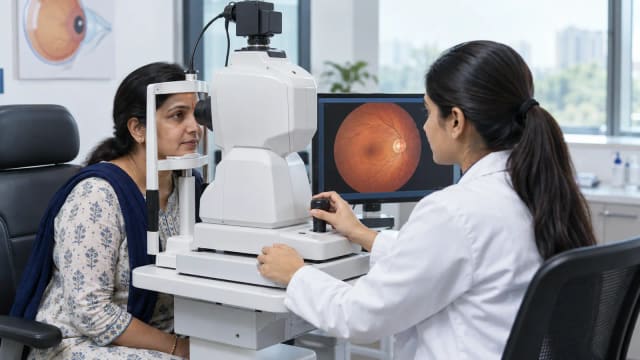 Diabetic Retinopathy
Patients with diabetes need regular eye check-ups — managing complications related to diabetes is a major concern in India today.
Learn MoreSome people are able to bring their blood sugar into a normal range through sustained lifestyle changes, particularly soon after diagnosis, though this varies by individual and should always be guided and monitored by a doctor.
Diet and weight are significant factors, but genetics, age and physical activity levels also contribute. Many people with a healthy weight and active lifestyle can still develop Type 2 diabetes.
Not always. Some people are able to manage early Type 2 diabetes with lifestyle changes alone, while others may need medication from the start. Your doctor will recommend an approach based on your individual test results and health profile.
This depends on your treatment plan and how well-controlled your diabetes is. Your doctor will advise a monitoring schedule that suits your specific situation.
Speak with our diabetes care team directly on WhatsApp — no forms, no waiting.