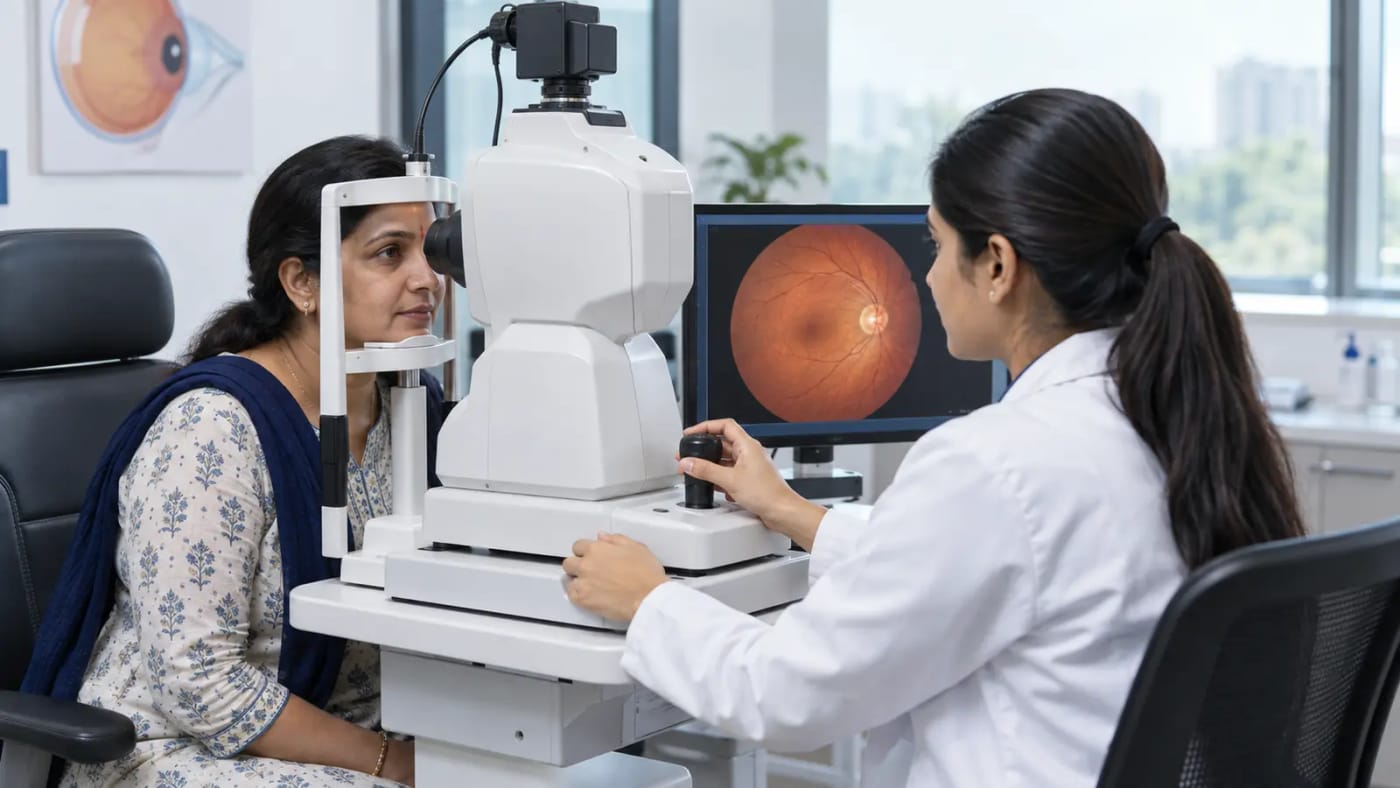
Diabetic retinopathy is a condition that occurs as a result of damage to the blood vessels of the retina in people who have diabetes. It can develop if you have type 1 or type 2 diabetes along with a long history of uncontrolled high blood sugar levels. You may start out with only mild vision problems, but can eventually lose your sight — untreated diabetic retinopathy is one of the most common causes of blindness, and the most common eye disease in people with diabetes.
High levels of sugar in the blood over long periods cause diabetic retinopathy. This excess sugar damages the blood vessels that supply the retina with blood; high blood pressure is also a risk factor.
The retina is a layer of tissue at the back of the eye responsible for changing images the eye sees into nerve signals the brain can understand. When retinal blood vessels are damaged, they can become blocked, cutting off some of the retina’s blood supply. This loss of blood flow can cause other, weaker blood vessels to grow — these new vessels can leak and create scar tissue that causes a loss of vision.
The longer you have diabetes, the higher your chances of developing diabetic retinopathy. Nearly everyone who has diabetes for more than 30 years will show some signs of retinopathy, and keeping diabetes under control can help slow the progression.
Women with pre-existing diabetes who are pregnant or planning to become pregnant should have a comprehensive eye exam to determine if they have retinopathy.
Diabetic retinopathy often has no symptoms in its early stages, which is why regular screening matters even when vision feels normal. As it progresses, symptoms can include blurred or fluctuating vision, dark spots or strings floating in your field of vision, difficulty seeing at night, and areas of vision loss.
Diabetic retinopathy is assessed through a dilated eye examination, which allows a clear view of the retina and blood vessels at the back of the eye. Regular eye screening is recommended for everyone with diabetes, as early stages of retinopathy are often detected before any symptoms appear.
Anyone with diabetes should have their eyes screened regularly as part of routine diabetes management, even without symptoms. Seek prompt attention if you notice sudden vision changes, new floaters, or dark areas in your vision.
 Gestational Diabetes
Symptoms of diabetes developing during pregnancy are classified under gestational diabetes, affecting how the body uses glucose for fuel.
Learn More Type 1 Diabetes
Also known as juvenile or insulin-dependent diabetes — a chronic condition where the pancreas secretes little or no insulin.
Learn More Type 2 Diabetes
Also known as adult-onset diabetes — a chronic condition that affects the way the body metabolizes glucose, its main source of fuel.
Learn MoreEarly-stage changes can sometimes be stabilised with better blood sugar control, but retinopathy generally cannot be fully reversed, which is why early detection through regular screening is so important.
This is best decided with your doctor based on how long you have had diabetes, your blood sugar control, and any existing eye findings, but annual dilated eye exams are a common recommendation.
Not everyone with diabetic retinopathy loses vision, especially when it is detected and monitored early. Untreated or advanced retinopathy, however, is a leading cause of vision loss in people with diabetes.
Yes, the risk of developing retinopathy generally increases the longer a person has had diabetes, which is one reason ongoing monitoring is recommended for all patients regardless of symptoms.
Speak with our diabetes care team directly on WhatsApp — no forms, no waiting.