
Type 1 diabetes is also known as juvenile diabetes or insulin-dependent diabetes. It is a chronic condition where the pancreas secretes little or no insulin, a hormone required to allow sugar (glucose) to enter cells to produce energy.
Our team at Pranav Diabetes Center works with patients and families to build a manageable, day-to-day plan for insulin therapy, blood sugar monitoring and nutrition, guided by Dr. G. M. Prasad and our diabetes educators.
Type 1 diabetes often develops over a short period of time, and symptoms can be more noticeable than in Type 2 diabetes. Common signs include:
Type 1 diabetes occurs when the immune system mistakenly attacks and destroys the insulin-producing cells in the pancreas. The exact reason this happens is not fully understood, though genetic and environmental factors are both thought to play a role. It is not caused by diet or lifestyle choices, and it is not a condition that can be prevented.
Type 1 diabetes is diagnosed through blood tests that measure blood glucose levels, such as a fasting blood sugar test or HbA1c test. Once diagnosed, regular monitoring of blood sugar becomes an essential part of daily life, helping to guide insulin dosing and identify patterns that need attention.
Because the body cannot produce its own insulin, management of Type 1 diabetes centres on:
Type 1 diabetes requires lifelong management, and consistent follow-up helps in adjusting treatment as needs change over time and in catching early signs of complications. Our broader diabetes management approach brings together medical treatment, monitoring and nutrition guidance to support this on an ongoing basis.
Dr. G. M. Prasad and our diabetes educators work with patients and families to build a practical, day-to-day plan for insulin therapy, monitoring and nutrition, with regular follow-up to review progress and adjust the plan as needed.
Seek prompt medical attention for symptoms such as persistent thirst and urination, unexplained weight loss, unusual fatigue, or if blood sugar readings are consistently outside the range advised by your doctor. Anyone experiencing signs of very low or very high blood sugar should seek care without delay.
 Gestational Diabetes
Symptoms of diabetes developing during pregnancy are classified under gestational diabetes, affecting how the body uses glucose for fuel.
Learn More Type 2 Diabetes
Also known as adult-onset diabetes — a chronic condition that affects the way the body metabolizes glucose, its main source of fuel.
Learn More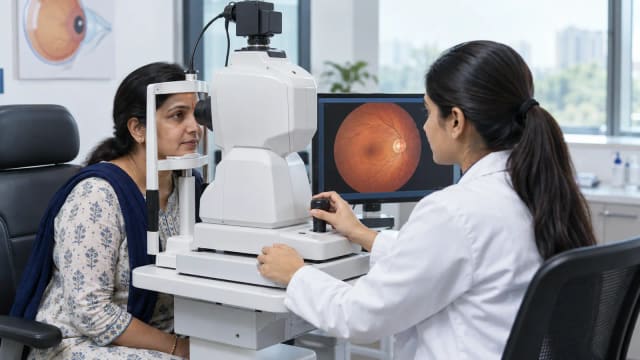 Diabetic Retinopathy
Patients with diabetes need regular eye check-ups — managing complications related to diabetes is a major concern in India today.
Learn MoreNo. Type 1 diabetes occurs when the pancreas produces little or no insulin and almost always requires insulin therapy from the time of diagnosis. Type 2 diabetes involves the body not using insulin effectively and can often be managed initially with lifestyle changes and oral medication.
No. Type 1 diabetes is an autoimmune condition and is not caused by diet, weight or lifestyle, so it cannot currently be prevented.
Yes. Since the pancreas in Type 1 diabetes produces very little or no insulin, insulin therapy is a lifelong requirement, though the type, dose and delivery method can be adjusted over time under medical guidance.
This varies by individual and is best decided with your doctor based on your insulin regimen, daily routine and how stable your blood sugar levels are.
Speak with our diabetes care team directly on WhatsApp — no forms, no waiting.