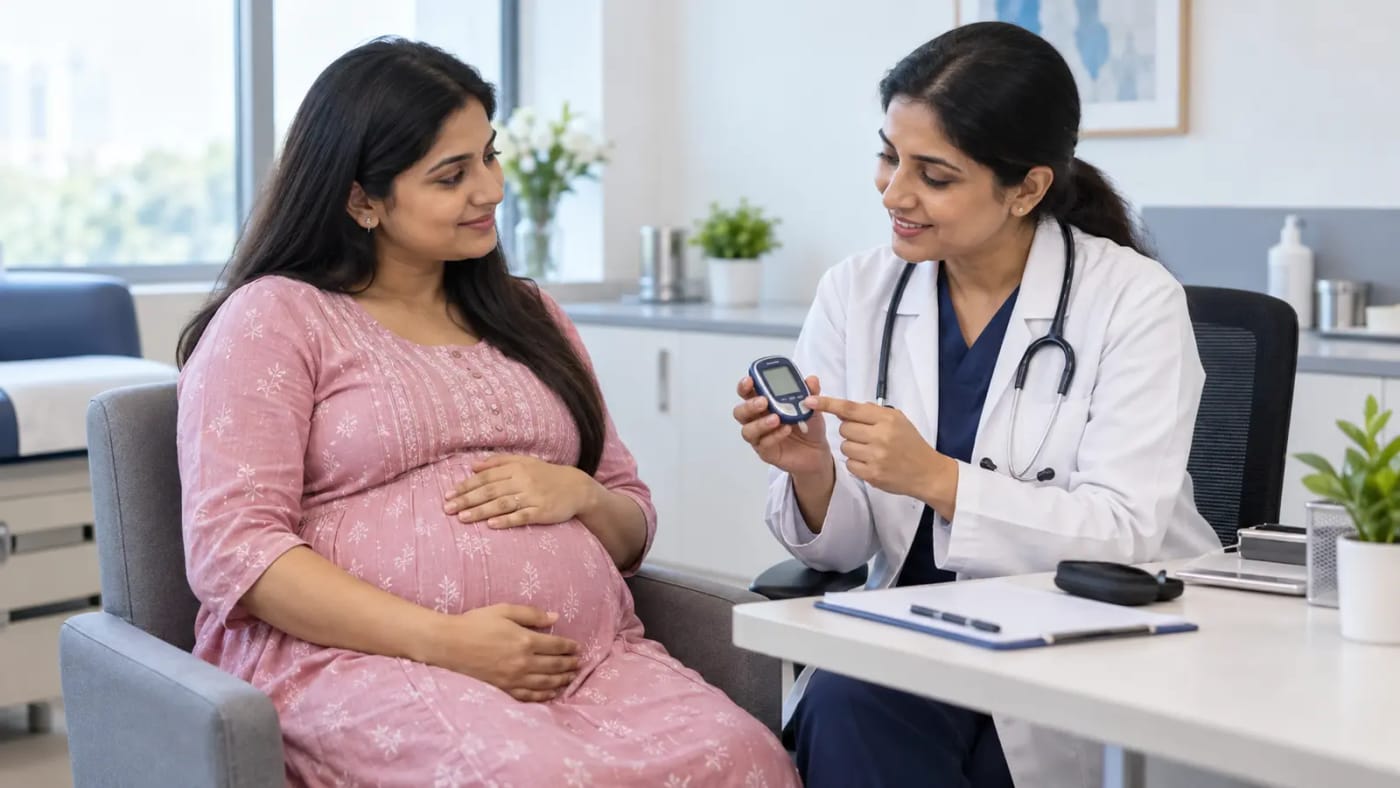
Gestational diabetes is a type of diabetes that is first seen in a pregnant woman who did not have diabetes before she was pregnant. Some women have more than one pregnancy affected by gestational diabetes. Gestational diabetes usually shows up in the middle of pregnancy — doctors most often test for it between 24 and 28 weeks of pregnancy.
Often, gestational diabetes can be controlled through eating healthy foods and regular exercise. Sometimes a woman with gestational diabetes must also take insulin.
Blood sugar that is not well controlled in a woman with gestational diabetes can lead to problems for the pregnant woman and the baby:
Most pregnant women are screened for gestational diabetes between 24 and 28 weeks of pregnancy using a glucose tolerance test, which measures how the body processes sugar. Women with risk factors such as a higher body weight, a family history of diabetes, or a previous pregnancy affected by gestational diabetes may be screened earlier, at the discretion of their doctor.
Gestational diabetes is usually managed with a combination of blood sugar monitoring, regular physical activity as advised by your doctor, and dietary guidance suited to pregnancy. Our nutrition counselling team works with expectant mothers to plan meals that support both blood sugar control and the nutritional needs of pregnancy. When these measures are not enough on their own, insulin therapy may be recommended to keep blood sugar within a safe range.
Blood sugar levels usually return to normal soon after delivery, but women who have had gestational diabetes have a higher lifetime risk of developing Type 2 diabetes and are usually advised to have periodic blood sugar screening in the years that follow.
 Type 1 Diabetes
Also known as juvenile or insulin-dependent diabetes — a chronic condition where the pancreas secretes little or no insulin.
Learn More Type 2 Diabetes
Also known as adult-onset diabetes — a chronic condition that affects the way the body metabolizes glucose, its main source of fuel.
Learn More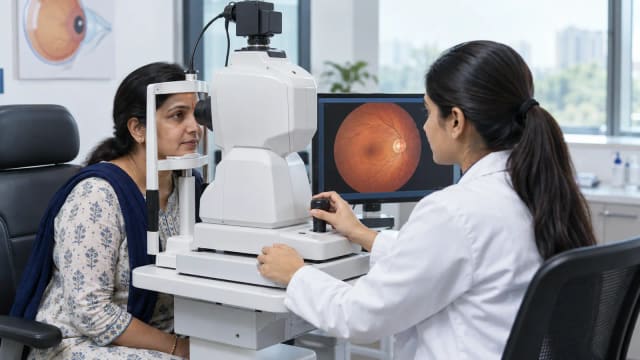 Diabetic Retinopathy
Patients with diabetes need regular eye check-ups — managing complications related to diabetes is a major concern in India today.
Learn MoreNo. Gestational diabetes is diagnosed in women who did not have diabetes before becoming pregnant. It develops specifically during pregnancy, usually in the second or third trimester.
For most women, blood sugar returns to normal soon after delivery. However, having had gestational diabetes increases the lifetime risk of developing Type 2 diabetes, so follow-up screening is recommended.
Many women are able to manage gestational diabetes through diet and physical activity alone, though some will also need insulin therapy if blood sugar remains high despite lifestyle changes. Your doctor will guide the right approach for you.
Routine screening between 24 and 28 weeks is recommended for most pregnancies, and your doctor may advise earlier testing if you have risk factors.
Speak with our diabetes care team directly on WhatsApp — no forms, no waiting.